

19 Japanese Philosophies: Their Meaning & Influence on Match Tea Ceremonies
25/03/2026
Introduction
Learn the meaning behind 19 well-known Japanese philosophies and their influence on matcha tea culture, which is of substantial importance in Japanese history and culture. As well as being an enjoyable beverage, matcha tea preparation and consumption is utilised as a method for promoting mindfulness and enriching the body and soul.
Discover the profound influence these philosophies have had on tea culture and how these principles have shaped Japan’s approach to life and tea.
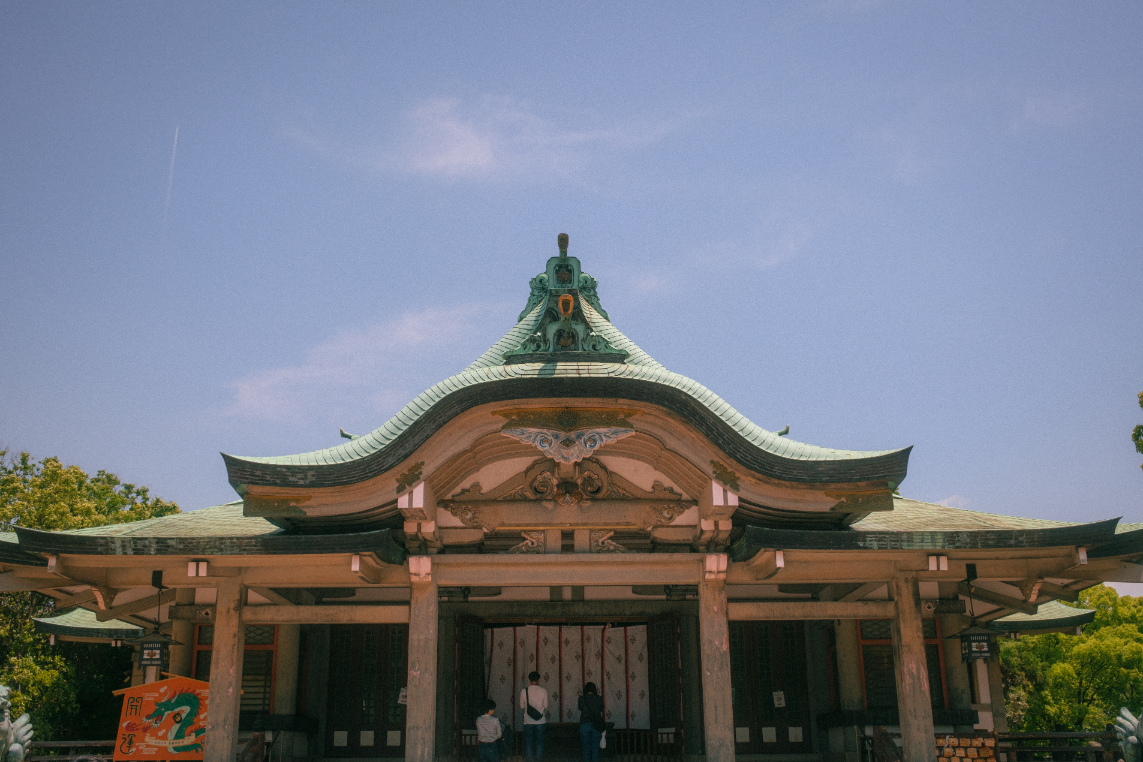
1. Wabi-Sabi
Meaning: Wabi-Sabi embraces imperfection and transience (the idea of something only lasting a short time). With this way of thinking, one can find beauty in simplicity, asymmetry and natural decay. Instead of seeing these things in a negative light, Wabi-Sabi encourages an appreciation for the flawed and imperfect, which are unique features that add character and depth.
Influence on Tea Culture: Wabi-Sabi is evident in the handmade bowls used for tea ceremonies. Often, they were rough to touch, chipped and repaired to highlight the beauty in imperfection. This theme of finding harmony in natural imperfection was common for tea ceremonies.

2. Ikigai
Meaning: Ikigai translates to “reason for being” and means one should pursue activities that bring joy, satisfaction and purpose. It’s a philosophy that is all about striking a balance between what you love, what you’re good at, what the world needs, and what can support you.
Influence on Tea Culture: The tea ceremony enforces Ikigai by being a meaningful pursuit that brings the tea master and participants a feeling of joy and a sense of purpose or fulfilment.

3. Mono no Aware
Meaning: Mono no Aware is the appreciation of the fleeting nature of life and the bittersweet beauty of ephemeral moments (moments that last for a very short time).
Influence on Tea Culture: The influence of Mono no Aware in tea culture is reflected in the seasonal themes and ingredients of tea ceremonies. The changing seasons are appreciated and celebrated as we know they are fleeting. The most well-known example of this is the brief bloom of the beloved cherry blossoms.
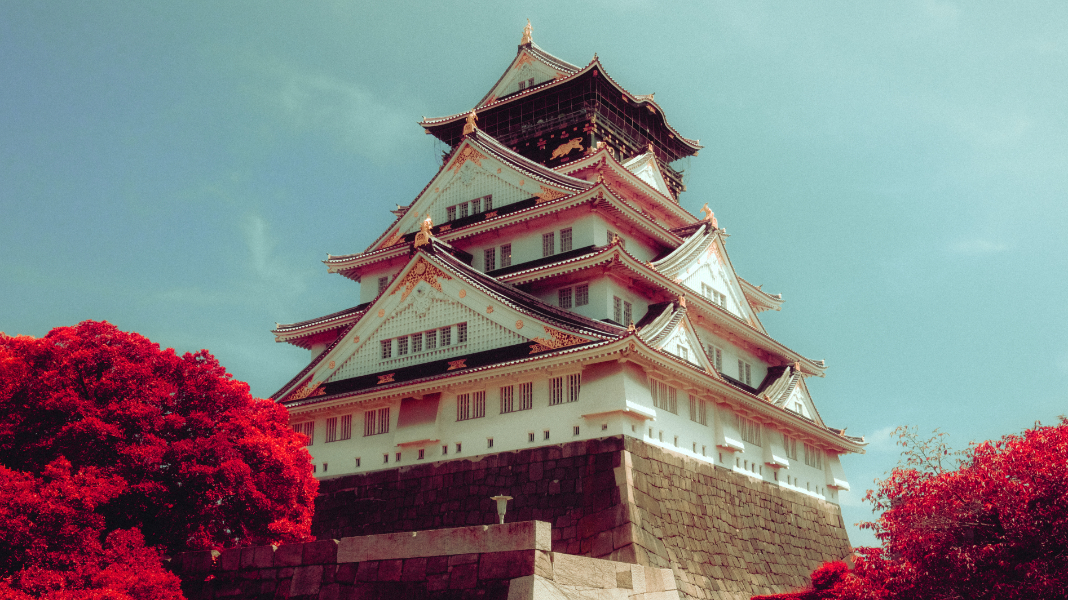
4. Kintsugi
Meaning: Kintsugi is the art of repairing broken objects with gold. This act emphasizes resilience and growth by highlighting flaws with gold to show the object’s history and beauty.
Influence on Tea Culture: Objects used in tea ceremonies, such as tea utensils and tea bowls can be repaired using Kintsugi, showing and celebrating their imperfections and cherishing them for years to come.
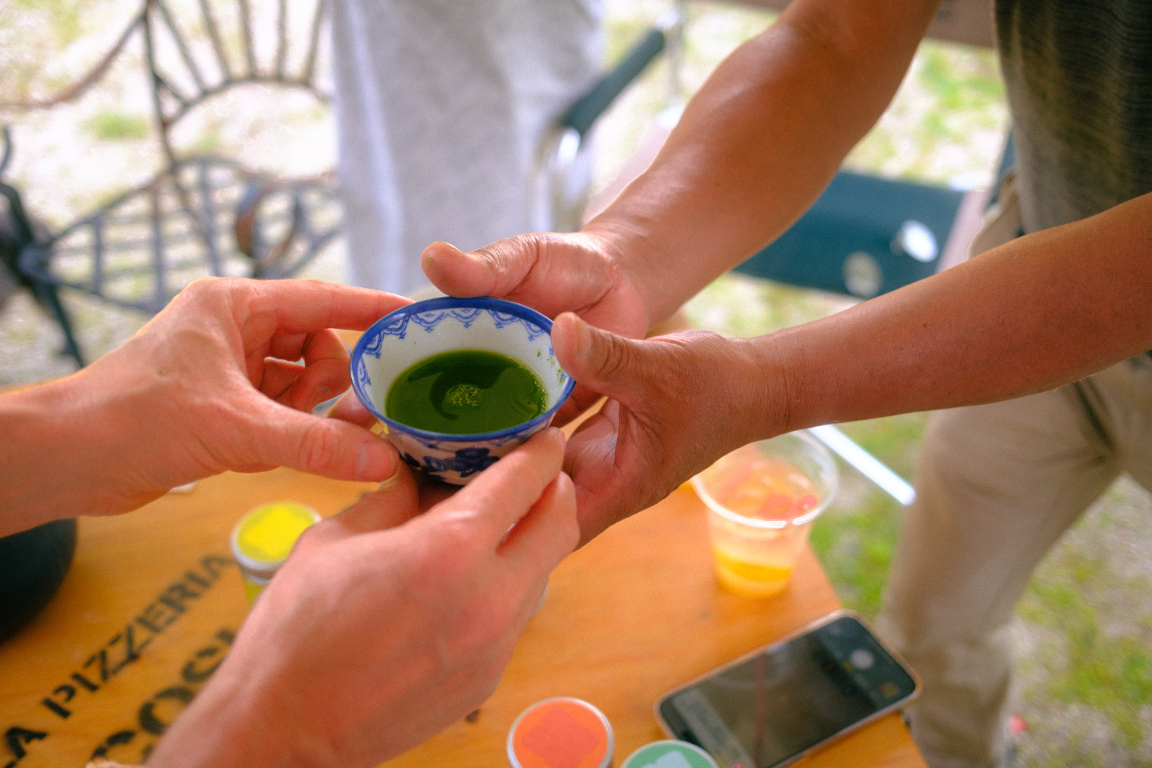
5. Shinrin-Yoku
Meaning: Shinrin-Yoku or “forest bathing” is the act of immersing oneself in the healing power of nature to reduce stress and promote wellbeing.
Influence on Tea Culture: Tea rooms used for tea ceremonies are often surrounded by a tranquil garden that celebrates the simplistic beauty of nature. This inclusion of nature provides participants with an environment that enhances mindfulness and relaxation. This connection to nature is vital to achieving a calm atmosphere ahead of the tea ceremony.
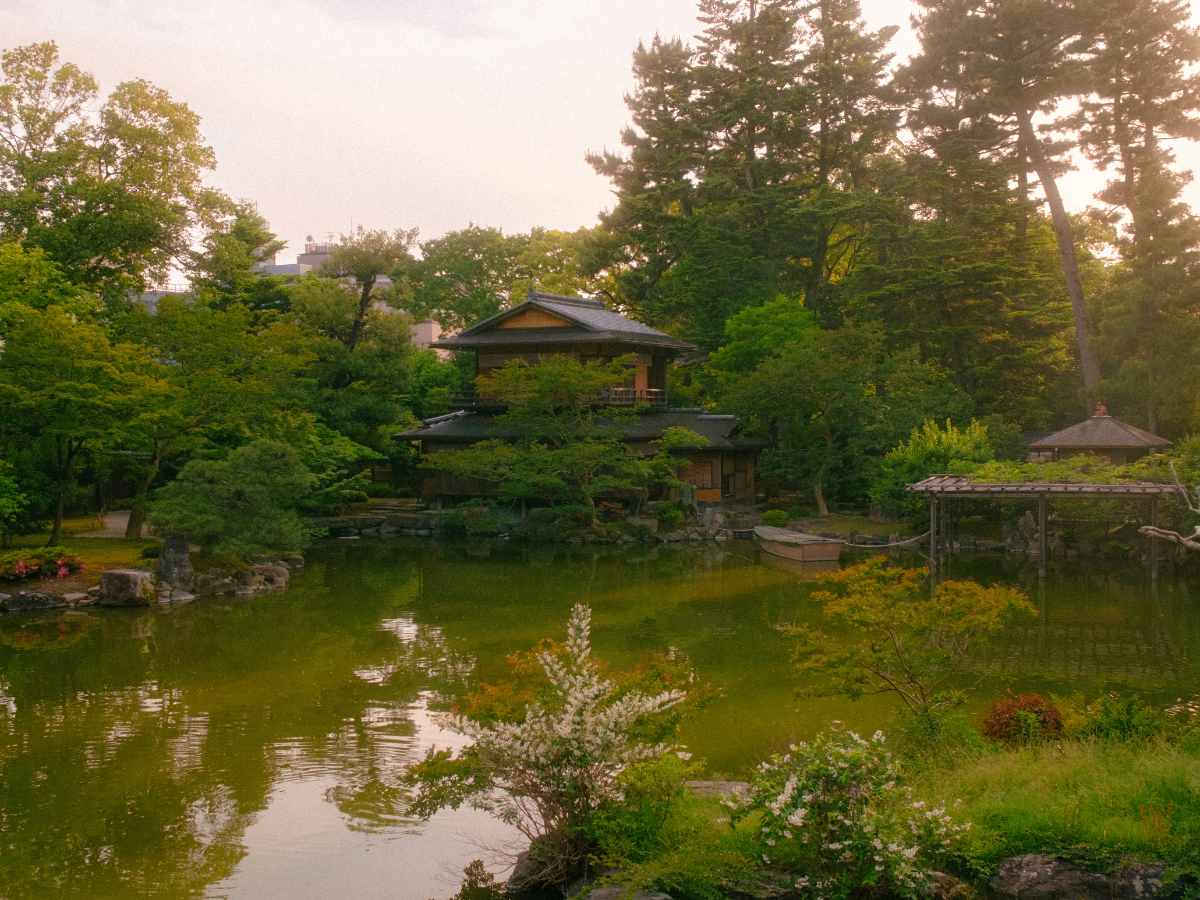
6. Kaizen
Meaning: Kaizen encourages continuous improvement by making small, incremental changes in varying aspects of life to achieve a long-term goal. It is a philosophy that is strongly linked to self-betterment.
Influence on Tea Culture: Kaizen is seen in tea culture through the constant refinement of the tea-making process. Being a tea master requires dedication which is sometimes lifelong; the best tea makers are constantly working on improving and perfecting their technique to further enrich the overall experience of the tea ceremony.
7. Bushido
Meaning: A philosophy made famous by the samurai. Bushido or “the way of the warrior” is the ethical code to which samurais dedicated their lives. It is essentially a code of conduct encouraging such virtues as honour, loyalty, courage, and self-discipline.
Influence on Tea Culture: The way of the samurai and the art of tea making has always had a strong intersection. The discipline and focus required for the preparation of tea and the execution of the tea ceremony are akin to the principles of Bushido and the battlefield. Tea making and the way of the warrior require the same levels of dedication and respect.

8. Enso
Meaning: Enso is a zen practice that is comprised of painting a simple, incomplete circle. This is to symbolise the beauty in imperfection and the cyclical nature of existence.
Influence on Tea Culture: The somewhat contrasting symbolism of completeness in imperfection is mirrored in the sense of simplicity and depth associated with the tea ceremony. Plus, the circular motion employed to whisk matcha tea is used as a meditative act that reflects the principles of Enso.
9. Ma
Meaning: Ma refers to finding harmony and an appreciation for the space between objects, thoughts and actions, emphasising the profound importance of the pauses and silence that give life meaning.
Influence on Tea Culture: This concept of negative space or intervals can be related to tea culture. It is found in the deliberate pauses and silence during the tea ceremony, which allows participants time to reflect and appreciate the moment.
10. Yūgen
Meaning: Yūgen is the exploration and appreciation of the profound and mysterious beauty that lies beyond what can be seen or understood. With this philosophy, one embraces the ineffable and sublime, the beauty that lies in the unseen and unknown.
Influence on Tea Culture: There are certain elements that make up the tea ceremony that evoke Yūgen, such as the use of subtle lighting, poetic tea names, and elegant decorations. These things invite participants to experience the deeper, indescribable beauty of the present moment and the tea ceremony itself.
11. Hanami
Meaning: Hanami is the simple yet impactful practice of viewing cherry blossoms, celebrating their transient beauty and recognising this example of the fleeting nature of life. Hanami is about living in the present moment.
Influence on Tea Culture: Tea ceremonies foster a general theme of appreciating the present moment and the fleeting nature of life, which aligns with Hanami. Also, tea ceremonies held during the blossom season may incorporate the delicate cherry blossom flowers into the ceremony as decoration to further enforce Hanami.
12. Mottainai
Meaning: As an expression of gratitude for what one has, Mottainai is the concept of respecting and cherishing resources by minimising waste, repurposing items, and appreciating the value of all things.
Influence on Tea Culture: In a tea ceremony, every tool and ingredient utilised is valued so much so that nothing is wasted. The careful tea-making and preparation and the respect for the utensils reflect this philosophy.
13. Kansei Engineering
Meaning: Kansei Engineering is a design philosophy to create products and experiences that evoke an emotional response and resonate with users’ aesthetic sensibilities. Essentially, Kansei Engineering is all about the harmony between function and emotion.
Influence on Tea Culture: Tea utensils and the tea rooms themselves are often designed with Kansei Engineering in mind. This ensures that these things are not only functional but also evoke an emotional connection.
14. Omotenashi
Meaning: Omotenashi means to offer genuine hospitality and impeccable service where the needs of others are anticipated and fulfilled. This philosophy is considered the heart of Japanese hospitality, creating memorable experiences through kindness and attentiveness.
Influence on Tea Culture: There is no better example of Omotenashi than the tea ceremony. The host endeavours to prepare a comfortable, satisfying and enriching experience for their guests. Every detail – from the decoration to formalities – is meant to reflect a deep understanding of care and hospitality.

15. Isshokenmei
Meaning: To give one’s all with unwavering effort and dedication is the principle of Isshokenmei. Built on the values of commitment and perseverance, one should strive for excellence in every endeavour and never give up in the face of adversity.
Influence on Tea Culture: Isshokenmei is embodied by tea masters who dedicate their lives to perfecting the art of tea making and the ritual of the tea ceremony. Their commitment and dedication are what create a meaningful experience for all participants.
16. Mujo
Meaning: Mujo means to accept the inevitability of change and things that last only a limited time. With Mujo, one can find peace and feel unlimited freedom by letting go of attachments and expectations.
Influence on Tea Culture: Mujo is reflected in the common theme of the tea ceremony, which is an appreciation for the transient nature of life. Seasonal themes and the elements of the tea room that are susceptible to change reflect the importance of finding peace in change.

17. Shoshin
Meaning: Shoshin encourages a fresh perspective and an openness to ongoing discovery through cultivating a beginner’s mind. It means to approach life with openness, curiosity, and a willingness to learn without being held back by preconceptions or biases.
Influence on Tea Culture: In a tea ceremony, Shoshin is mirrored by both the host and guests. Guests approach the experience with a sense of curiosity and hosts offer something new and intriguing.
18. Shikata ga nai
Meaning: Shikata ga nai means “it cannot be helped” and embraces the acceptance of certain factors of life that are inevitable, such as hardships, with grace, resilience and equanimity (calmness and composure in a difficult situation).
Influence on Tea Culture: The calm and composed nature of the tea ceremony reflects Shikata ga nai. Participants are encouraged to find peace in acceptance through immersing themselves in the present moment.
19. Kirei-Sabi
Meaning: Kirei-Sabi means to seek beauty in the simplicity and subtlety of minimalistic aesthetics, appreciating them for their elegance and refinement.
Influence on Tea Culture: Kirei-Sabi is embodied by the tea ceremony through the minimalist design of tea rooms and the simple yet refined preparation and presentation of matcha tea.
In Conclusion
Matcha tea is a unique type of beverage, one that has inspired a new generation to appreciate tea culture and indoctrinate the philosophies – such as the ones highlighted in this blog – surrounding the tea ceremony into their daily lives.
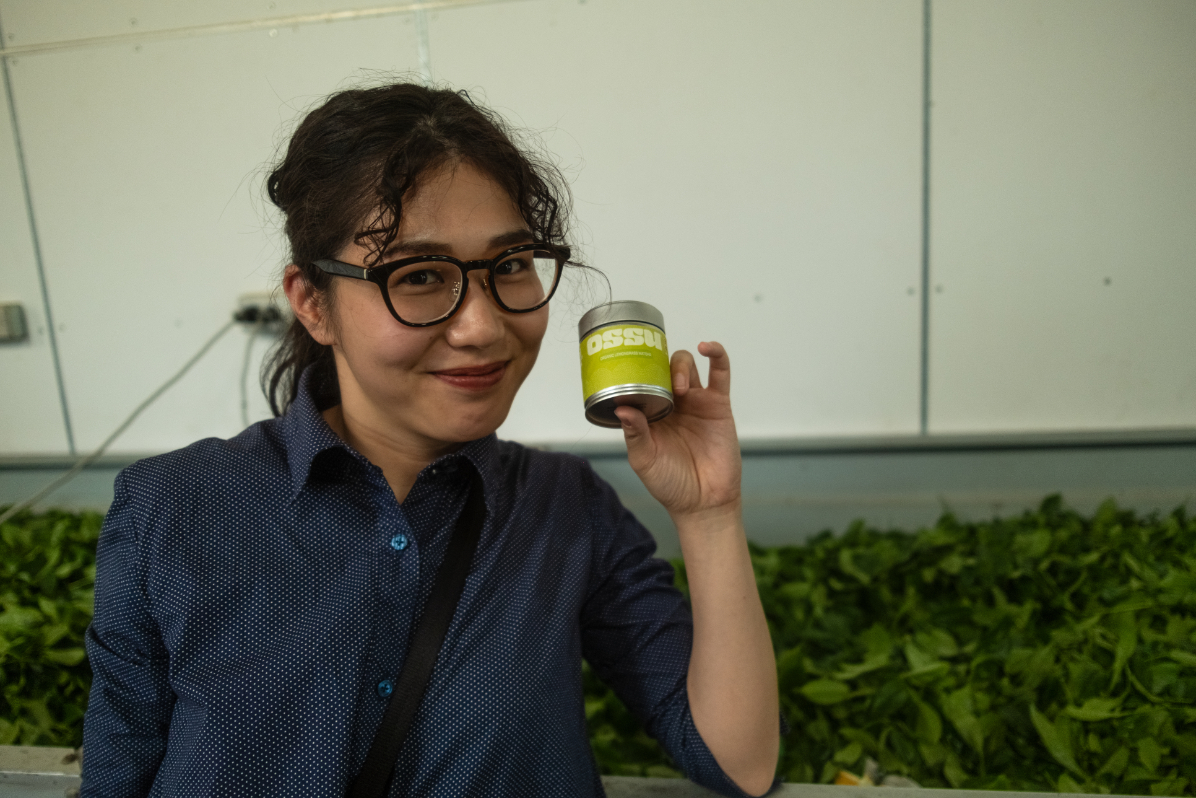
Ossu helps those who are just getting started (or those already on) their matcha tea journey of exploration by providing organic, authentic matcha powder that is great-tasting and injected with a deep sense of history and culture. If you are new to matcha or are already a fan, Ossu has a range of matcha tea powders for you to try, from traditional tea to flavoured powder.
Matcha tea holds strong connections to Japan’s most famous philosophies. We’re not saying drinking matcha tea will change your life, but who knows, it just may help you to find beauty in your day-to-day life, evoke a sense of calm on a busy morning, or even bring you closer to the ones you love with your own form of tea ceremony.

Boost Your Business with Matcha: Secret Weapon for Productivity
Are you a business owner, entrepreneur, or someone with a side hustle? Chances are you're always on the lookout for ways of being more productive — have you considered...
Matcha in the Modern Age: From Then to Now
Matcha has taken the world by storm! From being the ceremonial tea of ancient Japan to the go-to health beverage of today, the evolution of matcha is an incredible sto...
Decoding Tea: The Differences Between Matcha, Green Tea & Black Tea
Black tea, green tea, and matcha tea are the most popular types of tea, but how are they all different from one another? Find out in this article. ...
Is Matcha Healthy: 9 Health Benefits
Matcha is a superfood known for its incredible health benefits. But what are these benefits? In this article, we look at the top 9 health benefits of matcha. ...