
Matcha in the Modern Age: From Then to Now
24/03/2026
Introduction
What was once a key ingredient used for tea ceremonies in ancient Japan by the wealthy elite has transcended to become a beloved beverage enjoyed worldwide. Of course, we are talking about matcha.
A vibrant green hue, a flavour so unbelievably rich, and ample health benefits are but a few components of this superfood. These factors are also what has made matcha so popular that it has a whole new generation of tea drinkers captivated. In this blog, we are going to take a closer examination of how matcha has evolved from its traditional, mystic roots to becoming a modern-day superfood.
Some Historical Context on Matcha
Matcha originated from ancient China and Japan, however, it was Japan where matcha developed its distinct identity and cultural significance. Matcha was used as part of Zen Buddhist practices where it was introduced as a means to support meditation. This was achieved by its incredible ability to provide a state of relaxed alertness, where one is alert and focused without troubling the mind, which is effortlessly calm.
As time passed, matcha became deeply intertwined with Japanese tea ceremonies, which is an art form that takes years of dedication and training to master. It’s this heritage that makes matcha so much more than just a beverage; it is a journey of exploration that encourages harmony, respect, purity, and calm.
Matcha is then seen as a symbol of Japanese tradition, a tradition built on respect and a way to cultivate mindfulness and presence. This tradition has been carefully preserved and passed down through generations, keeping the essence of these traditional roots alive while adapting matcha to more modern use.
Matcha’s Marvellous Rise in Popularity
It’s hard to pinpoint exactly when this rise in popularity started for matcha, but what we do know is that it is only recent and rising still. Today, matcha has transitioned from a cultural speciality to a global craze that almost everyone has felt obliged to take part in.
With this newfound popularity, matcha tea is not only a beverage that is still enjoyed in the East, but now in Western culture as well, adored for its intriguing and unique flavour, but also the ample health benefits that are seemingly too good to be true.
So what has sparked this recent rise in popularity? Well, there are a few key drivers.
Matcha’s Health Benefits
With the rise of a generation that offers more thought and awareness on living a healthy lifestyle, the health benefits that matcha can provide have caught the attention of many. Personalities and companies in the wellness industry have “caught on” to matcha tea’s health benefits, recognising it as a superfood.
For the body, drinking matcha provides an avalanche of antioxidants that contribute to a healthier heart, cardiovascular and immune system. It also boosts metabolism, which helps with weight management, which is another key driver for matcha’s popularity – a desire felt by many to achieve the body they’ve always dreamed of having is now made more possible by drinking matcha.
Different Ways to Enjoy Matcha
With more people trying matcha for themselves, many have claimed this drink is not for them. We believe that is a fair statement because matcha is such a unique flavour – it’s earthy, almost vegetal, and bitter. Some say this dislike of matcha is down to the Western palette not being accustomed to the taste.
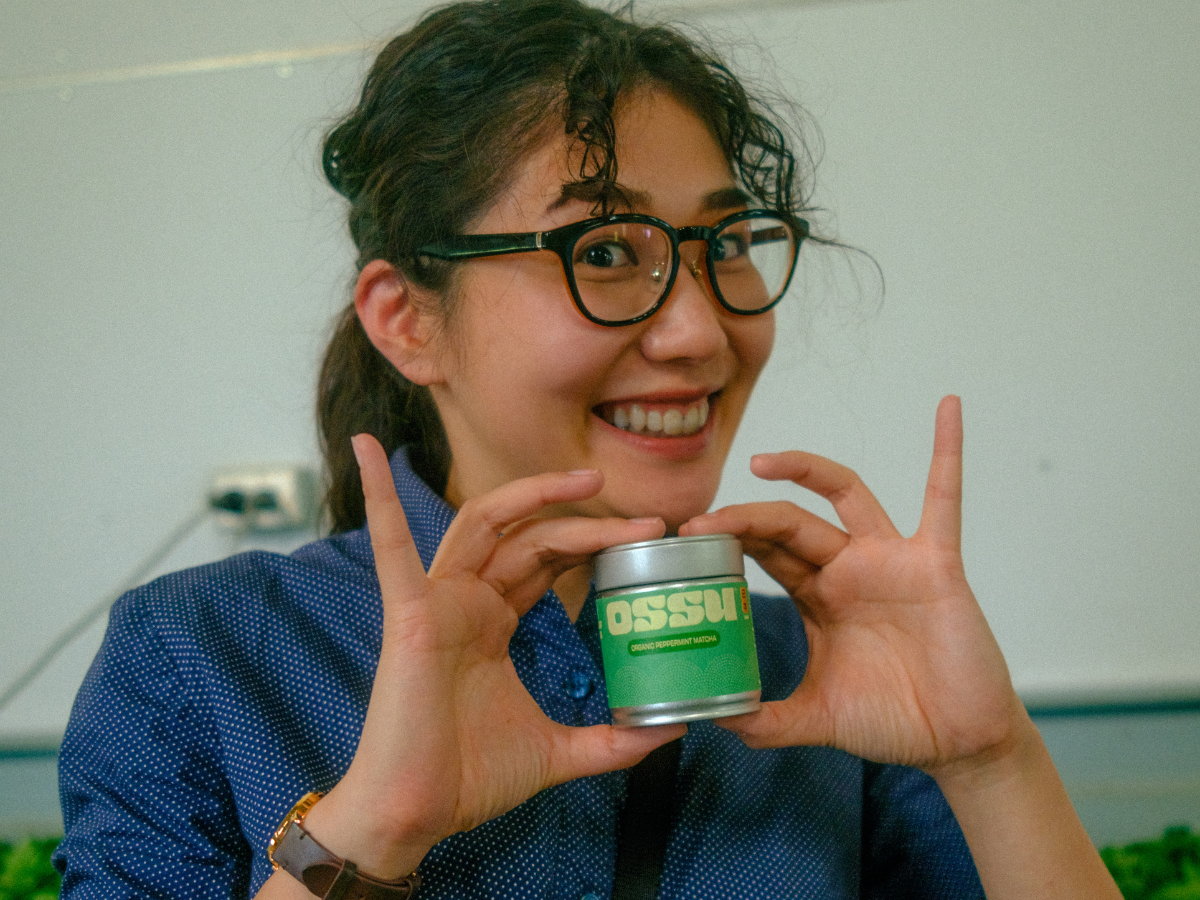
However, some, like Ossu, are changing the way people enjoy matcha tea by offering flavoured matcha. This variety of flavours makes matcha a more familiar taste, one that is sweeter and perhaps more enjoyable to some. There are many different matcha flavours around with more being introduced, and it’s this evolution that is also a driving factor behind matcha’s popularity.
Flavoured matcha teas include:
- Ginger matcha
- Turmeric matcha
- Peppermint matcha
- Lemongrass matcha
Get your flavoured matcha at Ossu!
Aesthetic Appeal
We live in an age where social media and influencers are at the height of popularity. Apps like Instagram and TikTok are consumed by the masses daily, and a large proportion of the content on these apps is based on aesthetic appeal.
Many believe that another key driver for matcha tea becoming the norm is simply its vivid green colour. Here in the West, we’ve only really ever known coffee and tea, both coloured a dull brown. So when we were introduced to matcha, a swirling pool of vivid green goodness from Japan, people were keen to try it for themselves – not just for the taste, but also as the subject for their latest Instagram story.
Matcha: A New Staple of the Café
Taking a stroll through your local city, you will find several cafés wherever you look – from global brands, such as Starbucks and Costa to charming independent establishments. This has resulted in a new type of culture: café culture.
As mentioned above, matcha has become synonymous with living a contemporary health-conscious lifestyle, which has practically forced the cafés we frequently visit to other their own spin on matcha. This is largely accepted by baristas, who have embraced matcha for its versatility. With this, cafés can now offer different forms of matcha, such as the matcha latte and even smoothies made from matcha powder.
The modern trendy café not only serves hot and cold beverages. Now, they also provide eating places for their customers, and matcha powder has even started to be incorporated into food, such as cookies, cakes and ice cream. With matcha popping up more frequently in cafés, more people are receiving the opportunity to give in and try matcha (in whatever form) for themselves.

Adding Some Green to a Health-Conscious Lifestyle
Let’s explore matcha’s health benefits further and how it has become a common theme in the modern health-conscious lifestyle.
As much as people love the taste of matcha, for some, it’s all about the nutritional benefits, and there are plenty. Being rich in antioxidants – particularly catechins, and the most potent of these being EGCG – means that drinking matcha can quite literally help to prevent such diseases and concerns as cancer and heart disease.
As well as having plenty of health benefits for the body as we have already discussed, matcha is also an invaluable asset for the mind and soul. Thanks to its caffeine and L-theanine contents, it can improve cognitive function, reduce stress, and improve mood.
Other solutions that are employed for a health-conscious lifestyle include wellness activities, such as yoga, meditation, and holistic health practices. As well as dieting plans, such as vegan and keto. The link to matcha is that it can be easily incorporated into these different healthy lifestyle solutions, expanding the value of matcha and providing more opportunities to use it.
Food and Beverage Innovation With Matcha
We’ve already looked at how cafés have taken matcha beyond just tea by incorporating it into various baked goods. Now matcha isn’t only on the café menu but also the shopping list.
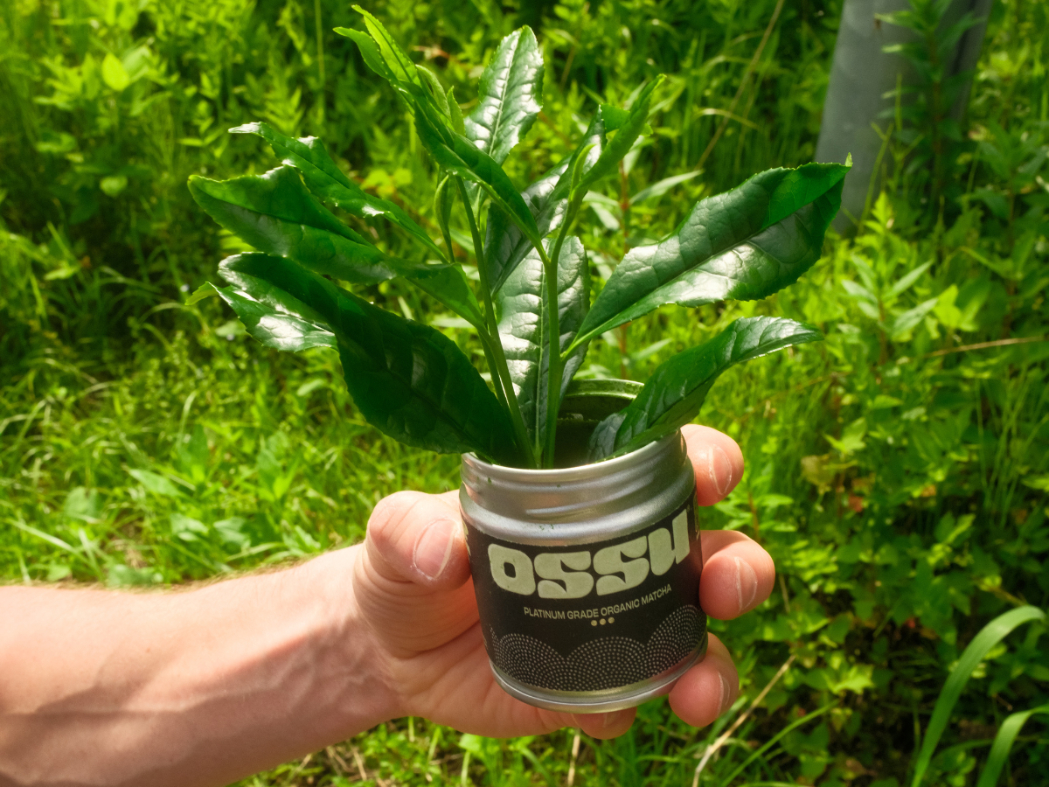
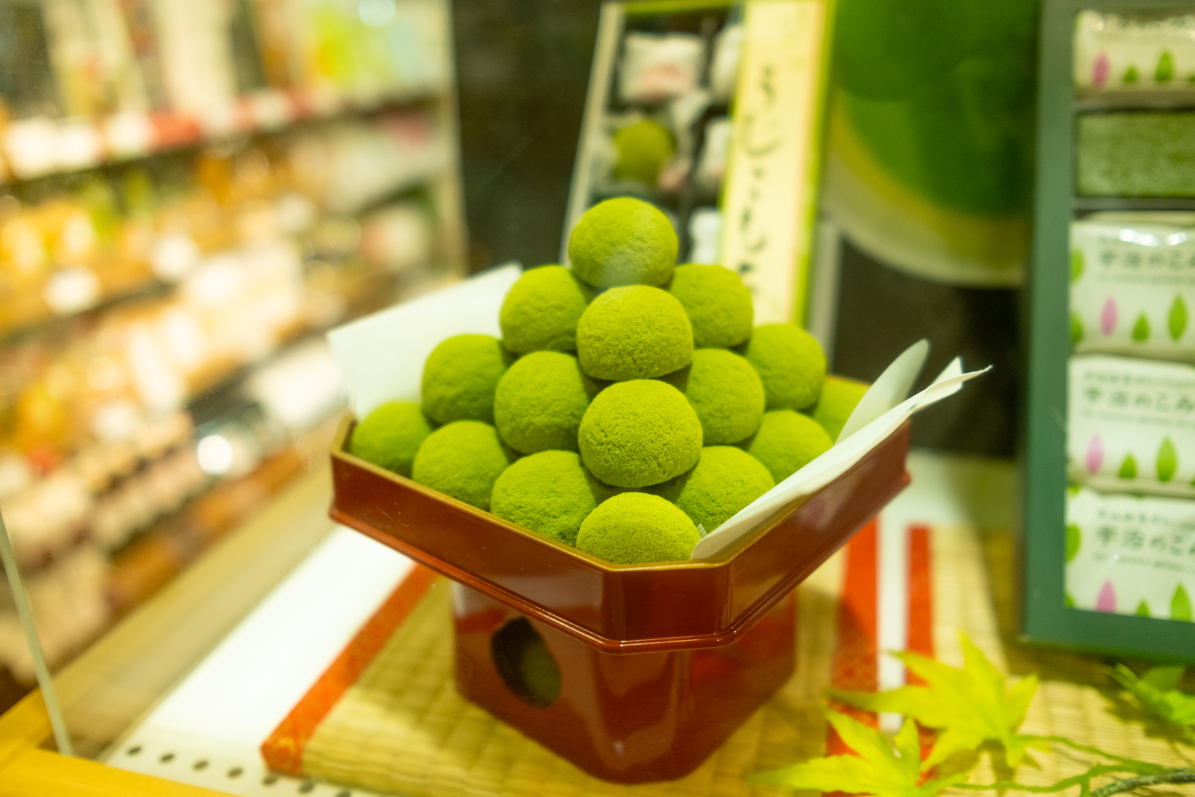
Brands like Ossu – who provide organic flavoured matcha – have used matcha as a means of innovation to create something utterly new and exciting. It may not be too farfetched to say that there is a matcha-equivalent to almost any food product. For example, some aisles of supermarkets may contain matcha noodles, matcha pancakes, and matcha sauces.
As the modern age becomes more accustomed to the flavour profile of matcha, restaurants have started to make the powder a key ingredient for special matcha dishes. Plus, this growing familiarity with matcha and the fact that it is so easily accessible has resulted in more experimenting with matcha for their home cooking.
This demand and experimentation with matcha in cooking has led to such resources as instructional online videos and new article recipes to be created, which has furthered the reach of matcha to the point where there aren’t many who haven’t heard of this Japanese delight.
Cultural Impact and the Future of Matcha
The global embrace of matcha may reflect a broader trend, and that is the trend of cultural fusion. Matcha is but one example of how traditional foods from various cultures are being introduced to new diners and reimagined to fit in with the demands of the modern age. Such examples include traditional Neapolitan pizzas and the art of making them, and kimchi from Korea.
We see this cultural exchange as a good thing where new foods enrich culinary landscapes and introduce exciting, never-before-seen flavours to new audiences. Matcha is perhaps the best example of this.
Looking ahead, what lies in store for matcha? Here at Ossu, we expect matcha’s influence to grow, and we hope to be at the forefront of that expansion with the introduction of amazing new products that celebrate the history of matcha, and also embrace this modern age.
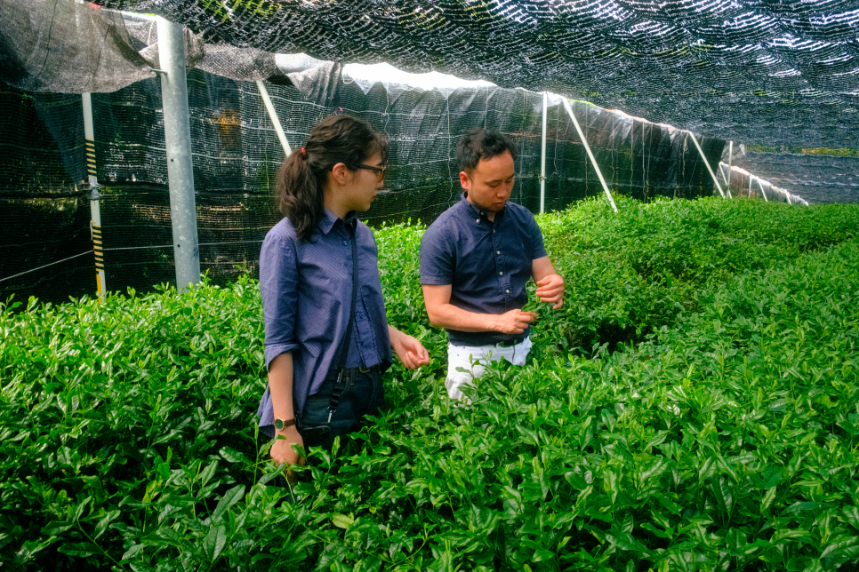
As sustainability becomes more and more of a concern in modern life, brands and people like Ossu will be leading matcha’s development. Ossu’s organic matcha which is produced on the principles of being eco-friendly, including no additives, and prioritising ethical farming is one example of the future of matcha in the modern age.
Closing Thoughts on Matcha in the Modern Age
To recap what we have learnt, matcha is an extraordinary ingredient steeped in cultural significance and history. Now, matcha is becoming more globally recognised as the superfood that it is, opening more people up to the plentiful benefits it provides.
There have been a few different drivers behind the popularity of matcha, but the important takeaway is that this is a positive event. As we look towards the future, we, at Ossu, are committed to providing people with the best organic matcha possible, helping others embrace matcha to improve their health, lifestyle, and mental clarity.
For real, authentic, organic matcha, visit our store and start your journey to improved health and remarkable taste.
Boost Your Business with Matcha: Secret Weapon for Productivity
Are you a business owner, entrepreneur, or someone with a side hustle? Chances are you're always on the lookout for ways of being more productive — have you considered...
19 Japanese Philosophies: Their Meaning & Influence on Match Tea Ceremonies
Learn the meaning behind 19 well-known Japanese philosophies and their influence on matcha tea culture, which is of substantial importance in Japanese history and cult...
Decoding Tea: The Differences Between Matcha, Green Tea & Black Tea
Black tea, green tea, and matcha tea are the most popular types of tea, but how are they all different from one another? Find out in this article. ...
Is Matcha Healthy: 9 Health Benefits
Matcha is a superfood known for its incredible health benefits. But what are these benefits? In this article, we look at the top 9 health benefits of matcha. ...